Sustainability and supply chain collaboration
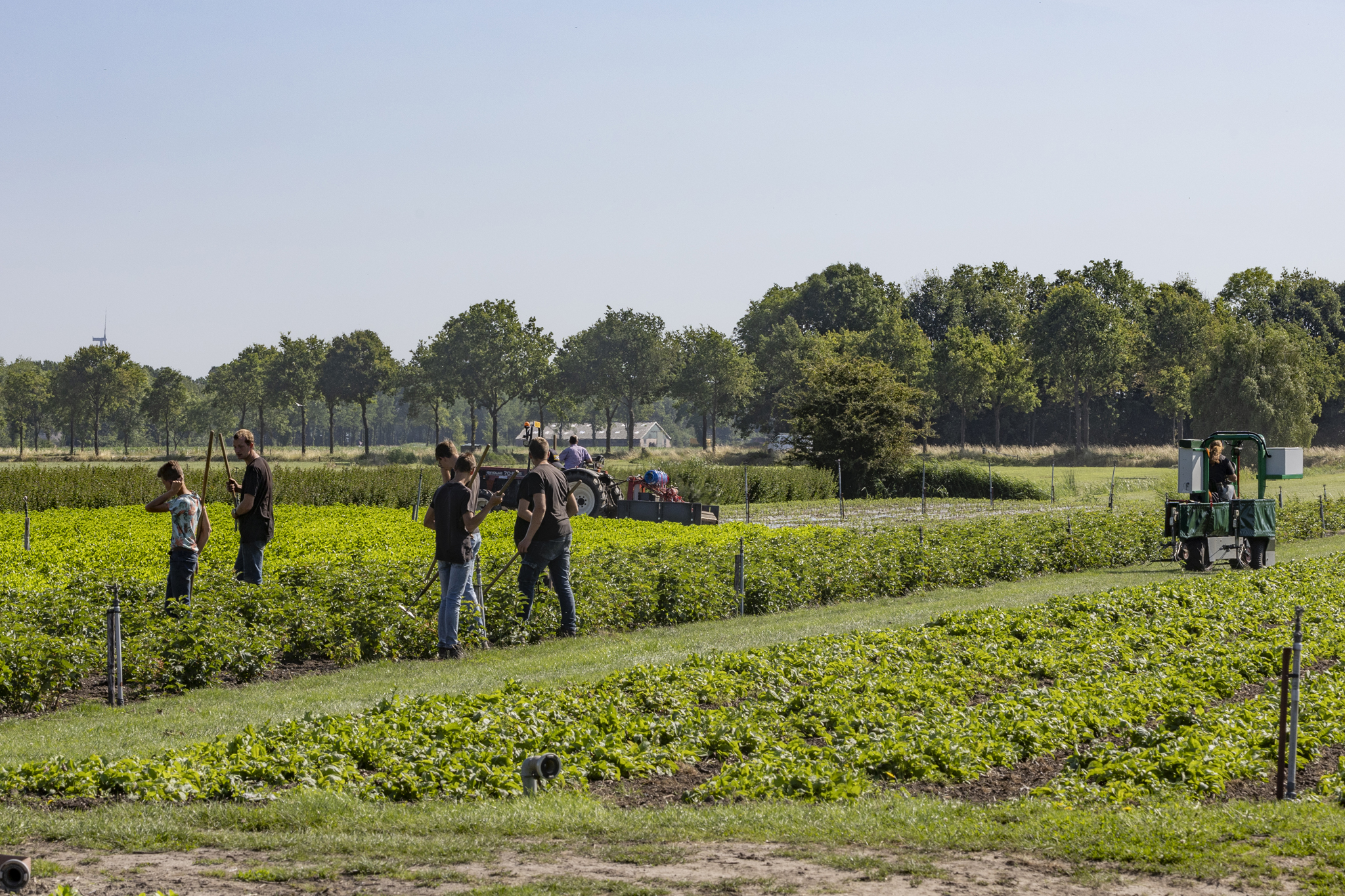

Sustainability at Plantion
As an auction, we play a key role in the floriculture sector, a sector closely connected to nature. We feel a responsibility not only to trade beautiful flowers and plants, but also to contribute to a healthy and liveable future.

Visibility of sustainable choices
Sustainability only works when the entire supply chain is involved. That’s why Plantion connects growers, buyers and retailers, and supports the visibility of sustainable products, for example through promotional materials.
This enables florists and garden centres to share the story behind their products and helps consumers make more conscious choices. Together, we build transparency and trust in the flower and plant sector.


Transparency and trust
By working together across the supply chain and making sustainable initiatives visible, we strengthen trust between growers, buyers and consumers.
Transparency ensures that sustainability is not just a promise, but a demonstrable and integral part of daily practice.
Questions about sustainability and supply chain collaboration? Find the answers here!
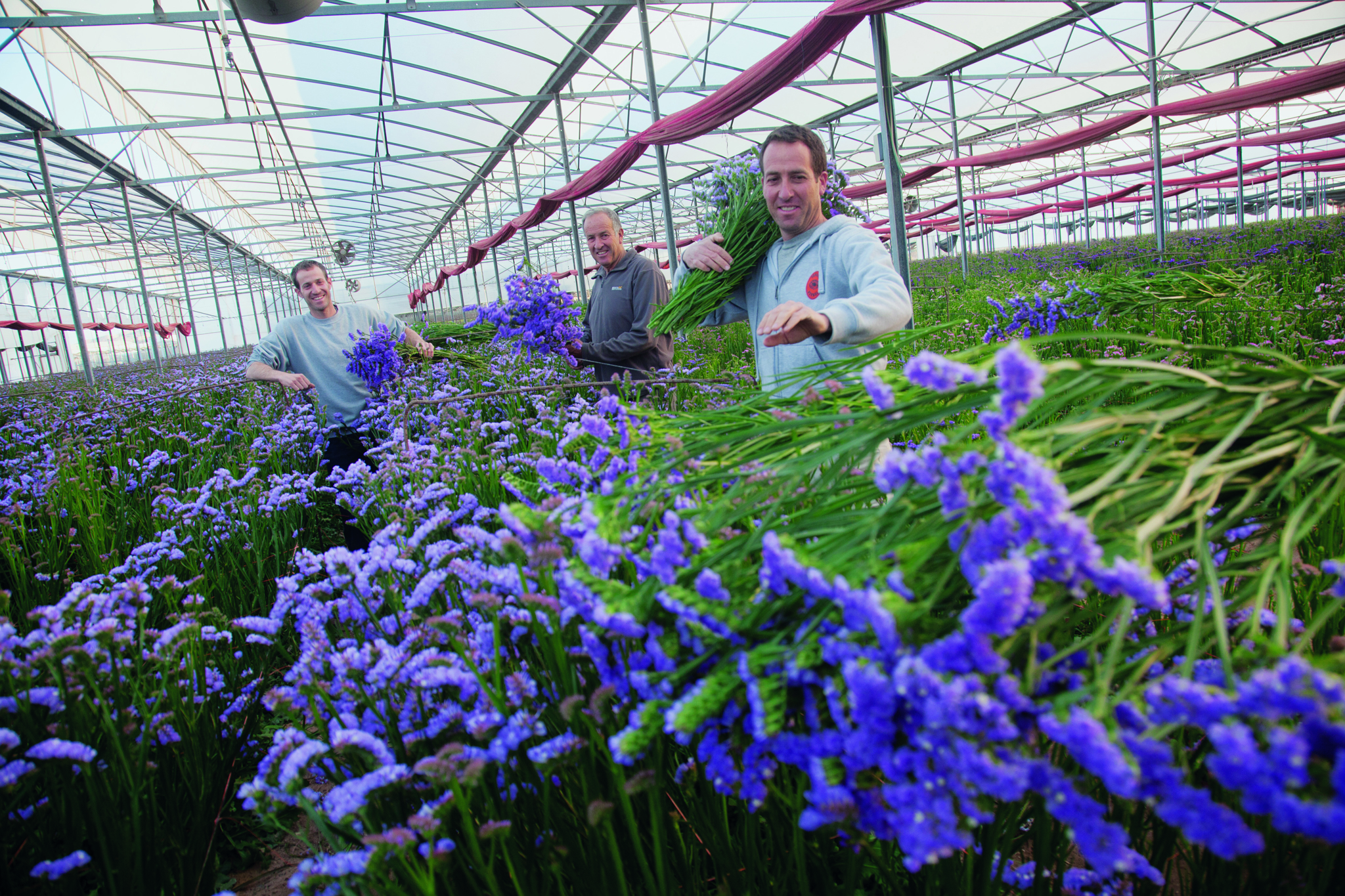
We’re here to help you get started.
Sustainability means taking the environment, people and future generations into account throughout the entire supply chain, from cultivation to consumer. This includes using resources more efficiently, reducing CO₂ emissions and promoting fair working conditions.
No single organisation can achieve sustainability on its own. By working together with suppliers, growers and customers, greater transparency is created and processes can be organised more efficiently and sustainably.
Short supply chains reduce transport, lower complexity and often result in a smaller environmental footprint. They also improve product freshness and traceability.
Sustainable cultivation focuses on reducing environmental impact, for example by:
- using fewer crop protection products
- using water and energy efficiently
- maintaining healthy soil conditions
Certifications and sustainability labels help demonstrate sustainability performance and provide transparency to customers. They support businesses in improving their processes and increase confidence in sustainably produced products.
Circularity means reusing raw materials and materials as much as possible. Examples include separating waste streams, reducing packaging materials and organising return flows to keep materials in use for longer.